


Platelet-Rich Plasma therapy Keller & Haltom City, TX
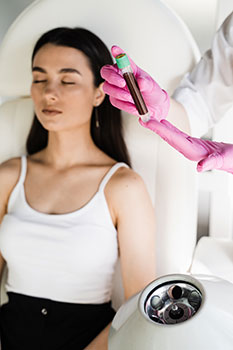
Platelet-rich plasma therapy is a regenerative treatment that uses a concentrated sample of a patient’s own blood platelets to support the body’s natural healing process. The growth factors released from these platelets can help repair soft-tissue injuries, ease pain, and promote healthier function in joints and muscles. PRP is often used as a nonsurgical option for people recovering from overuse injuries, age-related wear, or movement-limiting discomfort, with the goal of encouraging tissue restoration and improving mobility.
The PRP process begins with understanding the natural role of platelets in healing. Platelets are tiny components found in the blood that respond when tissue is injured. When the body detects damage, platelets are signaled to move to the affected area, where they release growth factors that support tissue repair and regeneration. Increasing the number of healthy, active platelets at the site of an injury can enhance the body’s ability to heal and may improve recovery outcomes.
To create platelet-rich plasma for treatment, a small blood sample is collected from the patient. The sample is then placed in a specialized system that separates the blood components and concentrates the platelets into a highly enriched plasma solution. Once prepared, this platelet-dense plasma is carefully injected into the area that requires support — such as an injured joint, tendon, or soft-tissue structure.
By delivering regenerative platelets directly to the source of discomfort, PRP helps stimulate tissue repair, encourage faster recovery, and promote longer-lasting relief from pain. Many patients choose PRP therapy because it supports natural healing and can help restore function and mobility without relying on medications or more invasive procedures.
What PRP Is
Platelet-rich plasma (PRP) therapy is a regenerative treatment designed to support the body’s natural ability to repair damaged tissue. PRP is created from a small sample of your own blood and contains a high concentration of growth factors that play an active role in healing. Because of its restorative benefits, PRP can be used in many areas of the body, including the knees, hips, shoulders, elbows, tendons, and ligaments. It is commonly chosen by active individuals and athletes who want a nonsurgical option to improve mobility, reduce pain, and support long-term tissue recovery.
How PRP Works
During a PRP treatment, your blood sample is processed to separate and concentrate the platelets. The platelet-rich plasma is then precisely administered to the injured or painful area. Once delivered to the tissue, the growth factors in PRP help stimulate cellular repair, encourage new tissue development, and enhance circulation at the treatment site. As healing progresses, many patients experience improved function, increased range of motion, and reduced discomfort over the following weeks — often without relying on medications that only mask symptoms.
Why Patients Choose PRP Therapy
PRP therapy offers a natural, minimally invasive approach to healing. By using your body’s own biologic material, PRP supports targeted recovery in joints, tendons, and soft tissue while helping restore active, pain-free movement. Many patients turn to PRP as an alternative to steroids, anti-inflammatory drugs, or prolonged downtime after injury.
